


How to Turn Water Off Under Sink? | Step-by-Step Guide for Homeowners
A sudden leak under the kitchen or bathroom sink can quickly turn into a stressful situation if you do not know what to do next. Understanding how to turn the water off under the sink is one of the most important basic plumbing skills every homeowner should have. Whether it is a dripping faucet or a burst supply line, quick action can save your floors, cabinets, and peace of mind.
Drain Beast Services understands how confusing plumbing issues can feel for many homeowners, especially when water is flowing where it shouldn’t. That is why Drain Beast Services is committed to helping you learn simple, practical steps that protect your home and reduce emergency damage.
This guide walks you through everything you need to know, clearly and simply, from identifying valves to shutting off your water supply safely.
Understanding How to Turn Water Off Under Sink: Locating Shutoff Valves
Before you try to stop any leak, you must first locate the correct shutoff points. Most modern homes have dedicated shutoff valves under each sink that control the water supply to that specific fixture. These are usually small, round knobs or a lever-type valve connected to the pipes inside the cabinet.
Drain Beast Services often finds that homeowners panic simply because they are unsure where these valves are located. Typically, you will find two valves under the sink: one for hot water and one for cold water. Knowing which one controls the issue is the first step in handling any plumbing situation.
In most kitchens and bathrooms, the valves are attached directly to the sink faucet supply lines, making it easier to isolate the problem without shutting off water to the entire house.
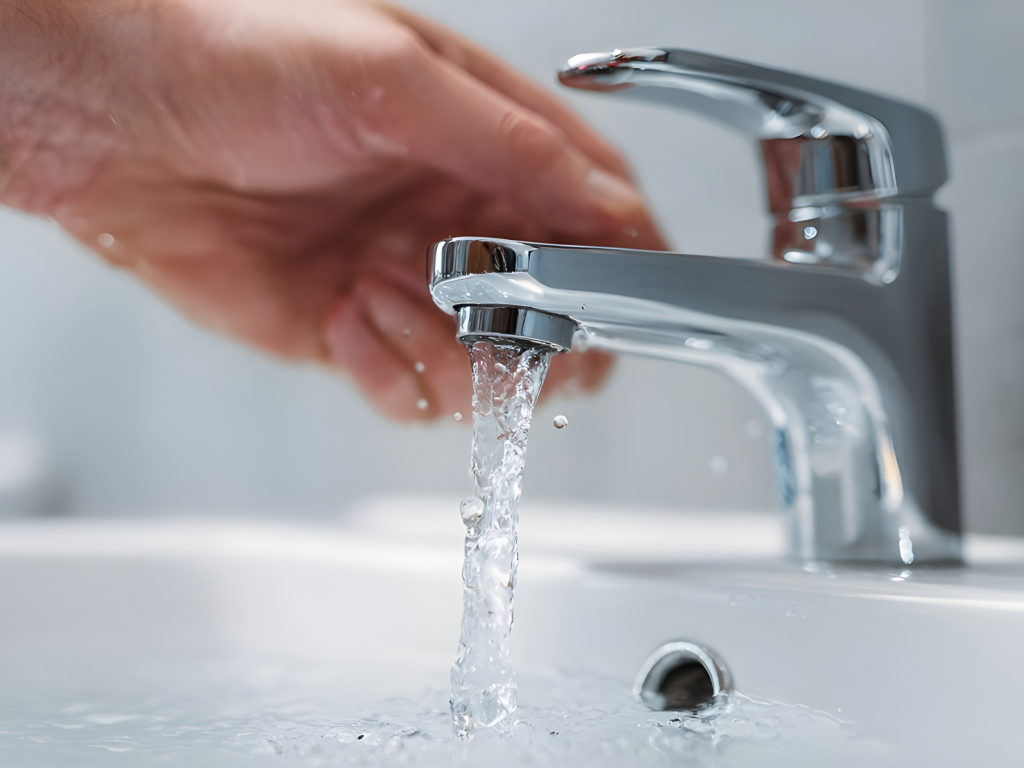
Identifying Sink Faucet Water Valve Types in Bathroom Sink and Kitchen Sink
Not all valves are the same, and recognizing the type you have can make a big difference when you need to act quickly. A bathroom sink often has smaller compression valves, while a kitchen sink may use quarter-turn ball valves for faster shutoff.
Drain Beast Services explains to homeowners that a properly functioning water valve should move smoothly without resistance. If you feel stiffness or grinding, it could indicate buildup or aging parts in your plumbing system.
These valves are part of your home’s isolation system, allowing you to stop water flow to a specific area without affecting the entire water supply. Learning how each type works helps you confidently manage small plumbing issues before they grow.
Checking Water Supply Lines and Isolation Valves Before You Turn Off the Shutoff
Before you actually shut anything off, it is important to inspect the water supply lines connected to your sink. These flexible pipes carry both cold water and hot water to your fixtures.
Drain Beast Services recommends checking for signs of corrosion, dripping, or loose fittings around the isolation valves. These small checks can help you understand whether the issue is localized or part of a larger plumbing concern.
If your system has a visible shut-off valve, test it gently by turning it a small amount to ensure it is not stuck. A functional valve should allow smooth rotation without excessive force.
Step-by-Step Guide on How to Turn Water Off Under Sink Safely
When you need to act quickly, following a simple method ensures you avoid unnecessary damage. Here is a practical approach used by homeowners and supported by Drain Beast Services:
- Open the cabinet under your sink and locate both hot and cold water valves
- Turn the valve clockwise or move the lever to the closed position
- Check the sink faucet to confirm water flow has stopped
- If only one line is affected, shut off either the hot or the cold water individually
- If the leak continues, consider using the main shutoff for the house
Drain Beast Services emphasizes that staying calm and taking a step-by-step approach are key to preventing water damage. Knowing how to properly turn shutoff valves can make a major difference during emergencies.
What to Do If the Water Valve Is Stuck or Leaking in Your Home Plumbing
Sometimes the issue is not the leak itself, but a faulty or stuck valve. In older homes, the water valve may become stiff due to mineral buildup or inactivity. This can make it difficult to shut off the water shutoff properly when needed.
Drain Beast Services advises homeowners not to force a stuck valve, as this may cause it to break and worsen the leak. Instead, try a gentle back-and-forth movement to loosen it. If you notice dripping even after closing the valve, there may be internal wear requiring repair.
A leaking valve near the sink faucet or supply line should always be treated seriously, as it can lead to long-term water damage inside cabinets and flooring.
Main Shutoff vs Under-Sink Shutoff: When to Use Each Water Shutoff Method
Knowing the difference between local and whole-house shutoff systems is essential. The under-sink valve controls only one fixture, while the main shutoff controls the entire home’s water supply.
Drain Beast Services often educates homeowners that the main shutoff is usually located near the water meter or where the main line enters the house. This is the safest option during major leaks or plumbing failures.
For smaller issues, like a dripping faucet or a loose connection under the kitchen sink, using the localized valve is usually enough. Understanding when to switch between these two methods helps you respond more effectively to plumbing problems.
Common Mistakes Homeowners Make with Sink Faucet and Plumbing Shutoff Valve
Many plumbing issues worsen simply from minor mistakes during shutdown attempts. A common error is turning the wrong valve or applying too much force on a stuck handle.
Drain Beast Services has seen cases where homeowners accidentally damage a functional shutoff valve, leading to more complicated repairs. Another mistake is ignoring slow leaks near the bathroom sink, assuming they are not urgent.
Here are a few things to avoid:
- Forcing a stiff valve without checking its condition
- Forgetting to test the sink faucet after shutting the water off
- Ignoring small leaks around plumbing joints
- Not knowing the location of the main shutoff in advance
Being prepared helps prevent unnecessary damage and stress in your home.
Water Heater Connection and How It Relates to Water Supply Shutoff
Your water heater is closely connected to your home’s plumbing system and can be affected when you shut off the water supply. When turning off water under a sink, you are usually not affecting the heater directly, but understanding the connection is still important.
Drain Beast Services explains that in some cases, shutting off the cold water supply also stops water from entering the heater, which can affect hot water availability in other parts of the house.
If you are dealing with plumbing repairs or a larger installation, always ensure you understand how your heater interacts with the rest of your plumbing system. This helps prevent unexpected interruptions in your home’s water use.
When to Call Drain Beast Services for Professional Plumbing Help
While knowing how to turn water off under the sink is extremely helpful, some situations require professional attention. Persistent leaks, broken valves, or hidden pipe damage should not be ignored.
Drain Beast Services provides expert plumbing support for homeowners facing complex water issues, from faulty shut-off valves to comprehensive plumbing inspections. Drain Beast Services ensures that your home’s plumbing system is restored safely and efficiently.
If you are ever unsure about a leak, a stuck valve, or a larger water issue, reaching out early can prevent costly repairs and long-term damage. Drain Beast Services is dedicated to helping homeowners protect their property with reliable and professional solutions.
Contact Us
Knowing how to control your home’s water system gives you confidence and control during unexpected plumbing issues. From identifying the right valve to understanding your water supply system, these simple steps can make a big difference in protecting your home
When plumbing problems arise, quick action and expert support make all the difference. Trust experienced professionals who understand every part of your system and are ready to help you restore safety and comfort in your home.