


Most homeowners use a dishwasher daily without ever thinking about what happens after the wash cycle starts. Plates come out clean, glasses sparkle, and everything seems effortless. But one of the most important parts of the entire process is something many people never notice: the draining system. Understanding how does a dishwasher drain can help you prevent plumbing problems, avoid unpleasant odors, and keep your kitchen running smoothly.
At Drain Beast Services, homeowners often ask why their dishwasher leaves behind dirty water, makes strange noises, or suddenly stops draining properly. The good news is that the system is usually simple once you understand how the components work together. This guide explains the complete dishwasher drain cycle in an easy and practical way.
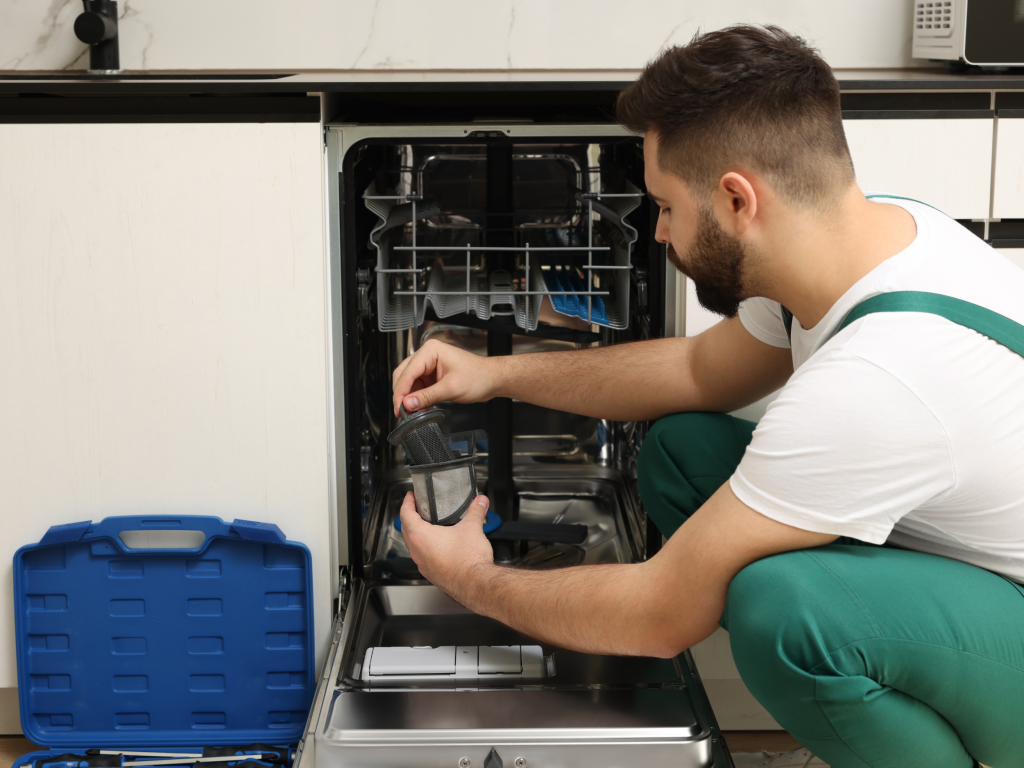
How Does a Dishwasher Drain During a Wash Cycle?
Every dishwasher uses a carefully designed draining process to move dirty water away from the appliance. During the cleaning cycle, water enters the dishwasher, sprays through rotating arms, and washes food particles off dishes. Once the cleaning stage is complete, the dishwasher must remove the used water before rinsing again.
Most standard dishwashers rely on a drain pump located near the bottom of the appliance. The pump pushes dirty drain water through a drain hose that usually connects to either a garbage disposal unit or directly to the kitchen sink plumbing.
The draining process typically works like this:
- The dishwasher collects dirty water at the bottom
- The drain pump activates during the draining cycle
- Water travels through the drain hose
- The hose connects to the sink drain or garbage disposal
- Wastewater exits through the home’s plumbing system
At Drain Beast Services, technicians often explain that a dishwasher does not simply dump water out randomly. Every part of the system is carefully designed to prevent dirty water from flowing backward into the appliance.
The Role of the Drain Pump in Dishwasher Drains
The drain pump is one of the hardest-working components inside a dishwasher. Its main job is to force water out of the unit quickly and efficiently. Without it, standing water would remain at the bottom after every wash cycle.
The pump points water toward the dishwasher drain and pushes it through the drain hose using pressure. If the pump becomes blocked by debris, grease, or food particles, the dishwasher may stop draining properly.
Some common signs of drain pump problems include unusual humming sounds, slow draining, or water always sits inside the appliance after a cycle finishes. In some cases, broken glass, food scraps, or hardened detergents can interfere with the pump’s movement.
At Drain Beast Services, professional plumbers regularly inspect drain pump systems when homeowners report dishwasher draining issues. A simple cleaning can sometimes solve the problem, while older appliances may need replacement parts.
Why the Drain Hose Matters So Much
The drain hose may seem like a small part of the dishwasher, but it plays a major role in keeping water moving correctly. The hose carries dirty water from the appliance to the plumbing system under the sink.
Most dishwashers have a flexible drain hose installed behind the machine. The hose connects to either the garbage disposal or the sink drain line. If the hose becomes kinked, clogged, or damaged, water cannot flow freely.
A clogged drain hose often develops because of grease buildup, food debris, or soap residue. Over time, these materials restrict water flow and cause draining problems.
Homeowners can sometimes check the hose themselves by looking for bends or visible blockages. However, removing the dishwasher safely may require professional help. At Drain Beast Services, experienced plumbers use proper tools to inspect hidden plumbing connections without damaging surrounding kitchen appliances or cabinetry.
Understanding Air Gaps and High Loop Protection
One important part of dishwasher plumbing is preventing dirty sink water from flowing backward into the appliance. This is where air gaps and high loop installations become important.
An air gap is a small device usually mounted near the kitchen sink faucet. It creates a physical break between the dishwasher drain and the plumbing system. This prevents contaminated water from reentering the dishwasher.
Some homes use a high loop instead of an air gap. In this setup, the drain hose is installed higher beneath the sink before connecting to the drain system. The raised loop helps stop backflow.
Both systems help protect clean dishes from contaminated drain water. At Drain Beast Services, plumbers frequently inspect air gaps when homeowners notice standing water or unpleasant odors inside their dishwasher.
If food particles block the air gap, the dishwasher drains may slow down or leak water onto the counter. Cleaning the air gap regularly helps maintain proper draining performance.
Common Reasons a Dishwasher Drain Gets Clogged
A clogged dishwasher drain can quickly turn into a frustrating kitchen problem. When water does not drain correctly, dishes remain dirty, odors develop, and standing water collects at the bottom of the appliance.
Several issues commonly cause dishwasher drain problems:
Food debris is one of the biggest culprits. Even though dishwashers are designed to handle small food particles, large scraps can still create blockages.
Grease and soap buildup also contribute to slow draining. Certain detergents leave residue inside the plumbing over time.
Garbage disposal problems can affect the dishwasher as well. Since many dishwasher drains connect directly to the disposal system, a blockage there may prevent proper drainage.
At Drain Beast Services, plumbers often find clogged cleaning ports, blocked drain hoses, or buildup inside the p-trap beneath the sink. Routine cleaning and maintenance can help prevent these problems before they become expensive repairs.
Why Standing Water Appears at the Bottom of a Dishwasher
Many homeowners become concerned when they notice water always sits inside the dishwasher after a cycle ends. While a tiny amount of moisture may be normal, large amounts of standing water usually indicate a drainage issue.
Sometimes the filter system becomes blocked with debris. In other cases, the drain pump may not activate properly during the draining cycle.
A clogged garbage disposal can also stop the dishwasher from draining efficiently. If a new garbage disposal was recently installed, plumbers often check whether the knockout plug was removed correctly.
At Drain Beast Services, technicians recommend checking several areas when standing water appears:
- Inspect the dishwasher filter for trapped debris
- Check the garbage disposal for blockages
- Examine the air gap for buildup
- Look for kinks in the drain hose
- Test the drain pump operation
Ignoring standing water can eventually lead to odors, bacteria growth, and damage to kitchen flooring.
How Dishwasher Plumbing Connects to Your Kitchen Sink
Dishwasher plumbing works closely with the kitchen sink drainage system. In many homes, the dishwasher drain hose connects directly to the garbage disposal unit beneath the sink. Other setups connect to the sink drain pipe itself.
The p-trap under the sink also plays an important role. This curved plumbing section holds water to block sewer gases from entering the home. If the plumbing becomes clogged near the p-trap, dishwasher draining problems may occur.
Professional plumbers understand how these systems work together. At Drain Beast Services, technicians inspect the entire plumbing layout when diagnosing dishwasher issues instead of focusing only on the appliance itself.
Sometimes the problem is not actually inside the dishwasher at all. A partially clogged kitchen drain can slow the entire draining system and create backup problems during the dishwasher cycle.
Simple Maintenance Tips to Keep Dishwasher Drains Working Properly
Regular maintenance can help extend the life of your dishwasher and reduce the risk of expensive repairs. Fortunately, keeping dishwasher drains clean does not require complicated tools or advanced plumbing knowledge.
One of the easiest habits is removing excess food from dishes before loading them into the washer. This reduces debris buildup inside the appliance.
Homeowners should also clean filters regularly and inspect the dishwasher drain area for buildup. Running hot water through the kitchen sink before starting the dishwasher can improve draining performance as well.
At Drain Beast Services, professionals recommend scheduling periodic plumbing inspections if recurring drainage issues continue. A hidden clog deeper in the plumbing system may require professional cleaning equipment.
Avoid overloading the dishwasher or using excessive detergents. Too much soap can create residue buildup that interferes with proper draining over time.
Professional Help for Dishwasher Drain Problems
Sometimes a simple cleaning solves the issue. Other times, persistent drainage problems require professional attention. Strange noises, leaking water, recurring standing water, or foul smells often point to deeper plumbing concerns.
At Drain Beast Services, skilled plumbers help homeowners identify the true cause of dishwasher drain problems quickly and safely. Whether the issue involves a clogged drain hose, damaged drain pump, blocked garbage disposal, or faulty plumbing connection, professional service can restore proper drainage and prevent future headaches.
A properly draining dishwasher keeps your kitchen cleaner, protects your plumbing system, and helps your appliances last longer. Understanding how the drain cycle works allows homeowners to recognize warning signs before major repairs become necessary.
Contact Us
If your dishwasher is draining slowly, leaving standing water behind, or causing unpleasant odors in your kitchen, Drain Beast Services is ready to help. The experienced team at Drain Beast Services provides reliable plumbing inspections, drain cleaning, and dishwasher drain repair solutions designed to keep your home running smoothly. Contact Drain Beast Services today and let trusted professionals restore your kitchen plumbing with confidence and care.